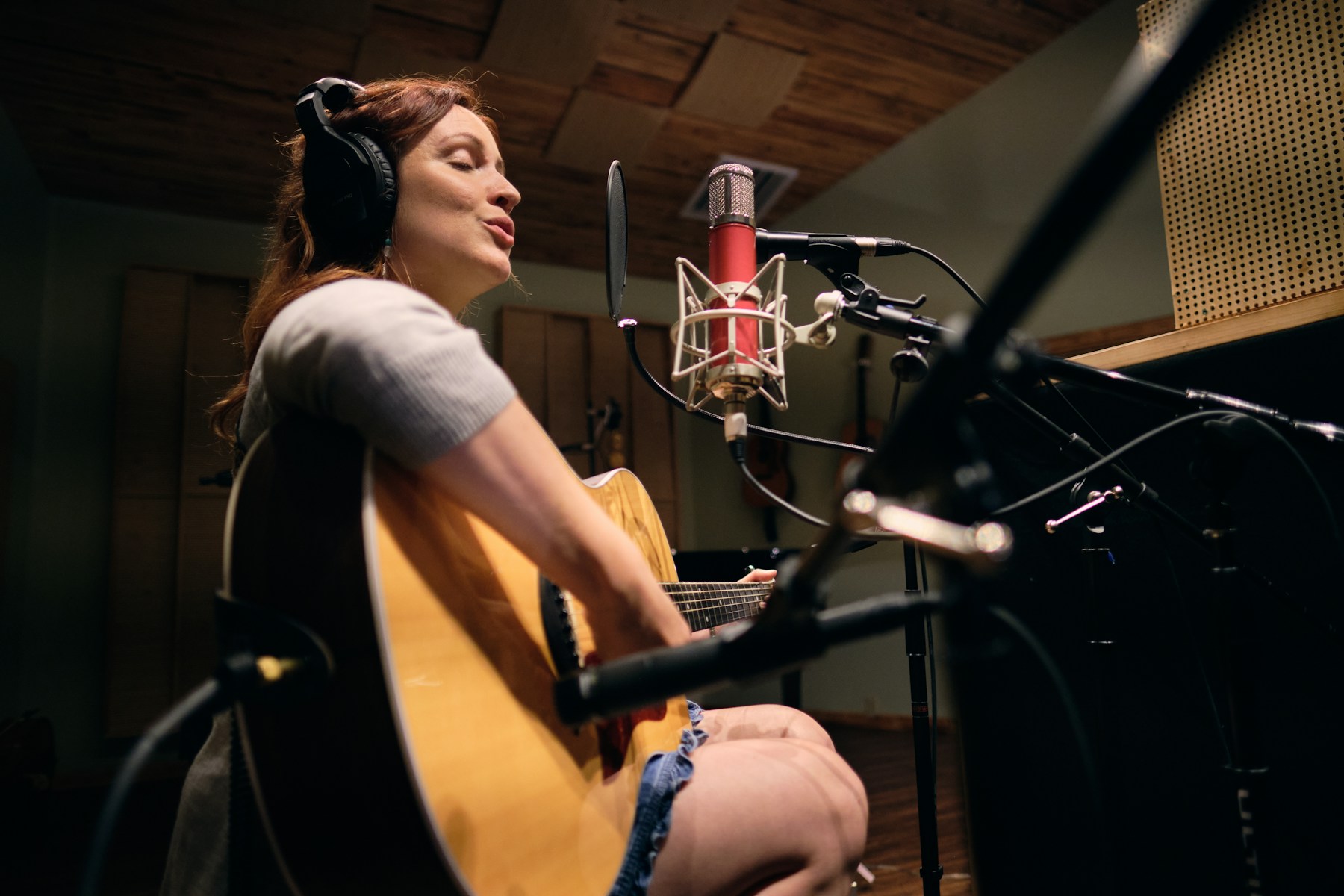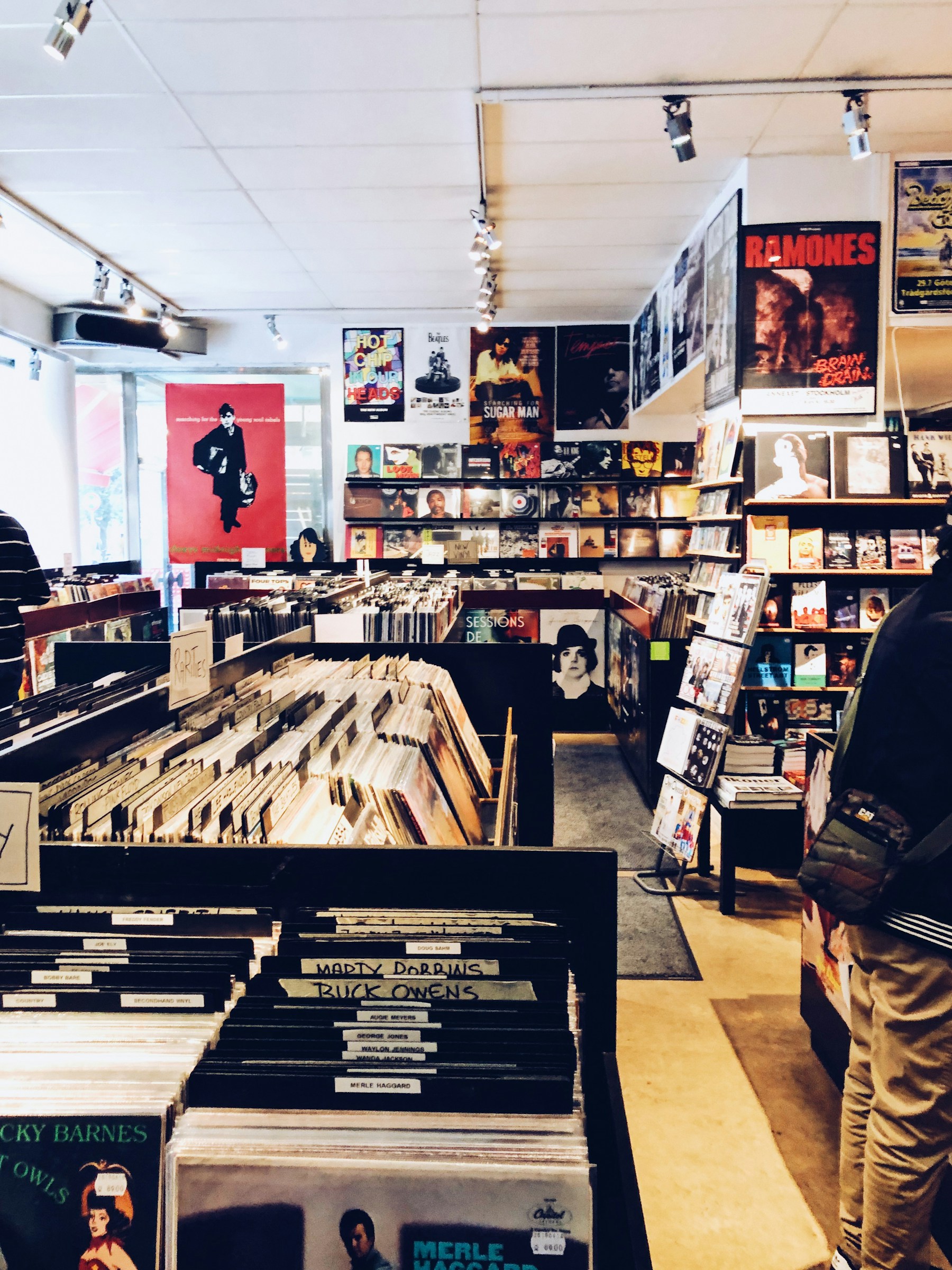
Press play and you hear a performance. Look around the recording and you begin to find the people: the names on a sleeve, a room in the credits, a note about who brought everyone together.
Keep the context within reach
A recording can travel a long way from the circumstances that made it. Someone discovers a file without its original folder. A record changes hands without the insert. A photograph survives without a caption.
Context gives the next listener a way in. A title, a date, a place, and a list of contributors may seem ordinary while everyone still remembers them. Later, they can be the difference between an identifiable piece of work and an unexplained object.
You do not have to build a formal archive to start preserving that information. Begin with a recording you made or have permission to document. Write down what you know, and leave a clear space for what you do not.
Credits are a map of the work
Performer credits tell only part of a recording’s story. Someone may have written the words, arranged the horns, set up the microphones, mixed the tracks, drawn the cover, or made the introductions.
A useful credit is specific. “Guitar” tells a future listener more than a name without a role. Confirm spellings and preferred names with the people involved. Keep the list in an ordinary text file as well as any artwork or distribution form.
When an older credit is uncertain, say so. A remembered detail and a confirmed detail should not quietly become the same thing.
The small things belong too
A set list can explain how a band imagined a night. A flyer can connect a recording to a venue or another group. A notebook can show that the title changed halfway through writing.
Keep related material together with clear filenames and a short description. If you scan or photograph an item, retain the original when possible and note where it came from. Keep a separate backup rather than relying on a single device.
Documentation also involves choices about privacy. Ask before publishing someone else’s correspondence, private photographs, or personal information. Preserving something and making it public are different decisions.
Leave a useful starting point
An archive does not have to answer every question. It can leave a trail that someone else can follow. A folder called “Band demos, spring 2026” with a short note is already easier to understand than a folder called “Final final 2.”
Choose one recording this week. Gather its credits, identify its files, and write five sentences about how it came to be. You are giving the next listener more than a sound. You are giving them a way to meet the people behind it.
Put it into practice: Get the free guide